Showing 13–15 of 15 results
-

$495.00
H: 11” W: 9.5” D: 2” | SOLD
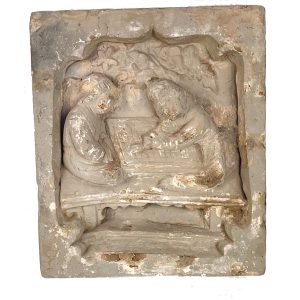
As part of the The Song dynasty cultural expansion, government and public buildings and tombs were built with interior walls decorated with earthenware unglazed mold-made brick tiles. This fanciful vibrant tile with a scalloped frame portrays two people playing a board game called wéiqí which originated in China over 2500 years ago. It is the world’s oldest and most complex board game still played.
-
$485.00
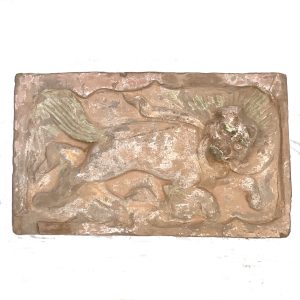
The Song dynasty (960–1279) is considered the most culturally brilliant era in later imperial Chinese history. A massive expansion during this dynasty produced government, public and religious buildings and tombs with walls decorated with earthenware unglazed mold-made brick tiles. Some were purely decorative and others were wishes for happiness and comfort in the deceased’s afterlife…
-
$325.00
H: 12.25″ W: 8.5″ D: 2.25″ |
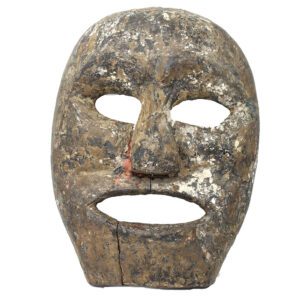
Timor masks are rare, intense, characterized by large roughly cut eyes and sometimes have no teeth. This one is not completely black from being stored in house rafters and also has no animal hide with hair attached to it. Its surface has darkened unevenly and there are white bits of white especially on the front. Threatening due to its lack of teeth, asymmetrical eyes and their lack of balance, ancestral masks are used in offering rituals designed to drive off malevolent spirits, scare enemies and perform ritual ceremonies and war celebrations.
End of content
End of content