Showing 181–192 of 244 results
-

$295.00
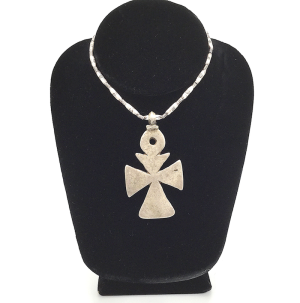
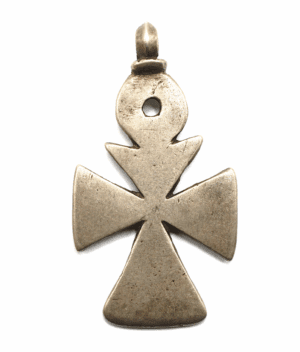
Ht: 3.125″ W: 1.75″ | FREE SHIPPING WITHIN CONTINENTAL U.S.
Large heavy pendant Cross Pattée is topped with a modification of the Egyptian round ankh. Simple elegance. surmounted on softened by smooth surface and
-
$495.00
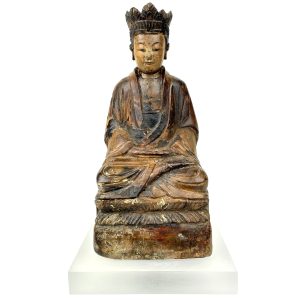
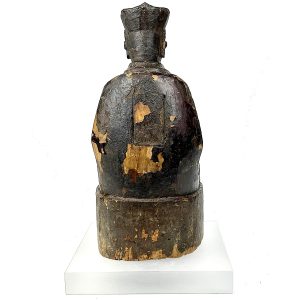
Ht: 9.5″ W: 4.5″ D: 3.75″ | FREE SHIPPING WITHin Continental U.S.
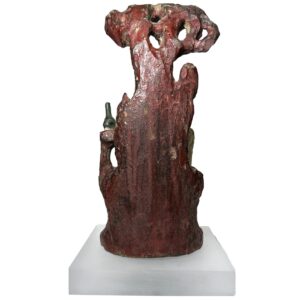
Rare provincial home altar consecrated Guanyin sits in meditation on lotus throne wearing five-lobed crown symbolically representing the 5 Dyhani Buddhas in the Vajrayana Tantric tradition. Rare sealed consecration cavity, it is mounted on a lucite base.
-
$2,900.00
H: 29.5″ W:7.75″ D:5.25″ | CALL 213-568-3030 OR EMAIL VANISHINGARTS213@GMAIL.COM FOR SHIPPING.
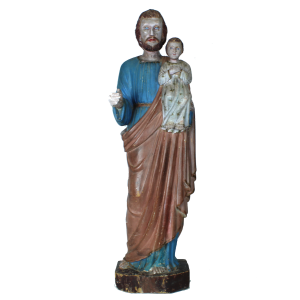
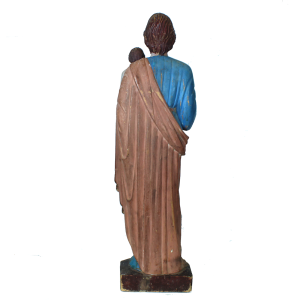
Rare magnificent carving of Joseph with the Christ child is a blend of Portuguese and European with indigenous South Indian traditions. Joseph is light-skinned, blue-eyed, with western features without a halos, modest and very human with a straightforward spiritual presence.
-
Sale!
$975.00 Original price was: $975.00.$695.00Current price is: $695.00.
H: 6” W: 8.5” D: 6.125” | FREE SHIPPING IN CONTINENTAL U.S.
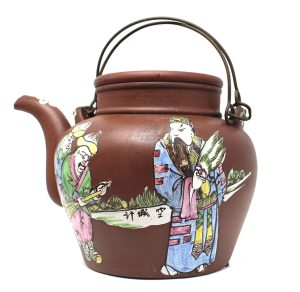
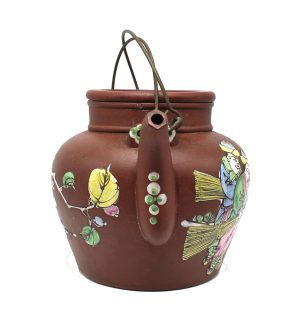
Rare Yixing teapot with brown wash, bright painted enamel scene from Peking opera. Floral are wish for long and healthy life, perfect metaphor for sharing tea loved ones. Kiln seals in body, bottom, lid. For decoration only.
-
Sale!
$495.00 Original price was: $495.00.$325.00Current price is: $325.00.
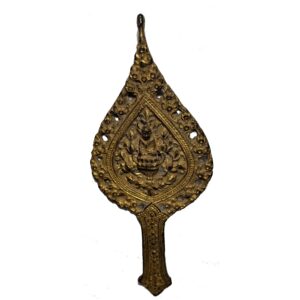
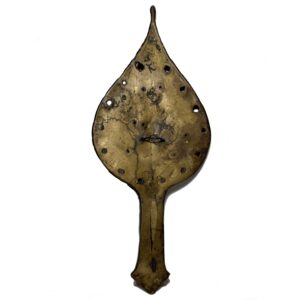
H: 10″ W: 4.125 | FREE SHIPPING WITHIN CONTINENTAL U.S.
Rare Thai Ratanakosian gilded bronze ceremonial fans used by monks or high-ranking individuals and displayed in temples or homes as a sacred decoration or ritual object. Shaped like a bodhi leaf with a Buddha in Earth Witnessing mudra.
-
$8,900.00
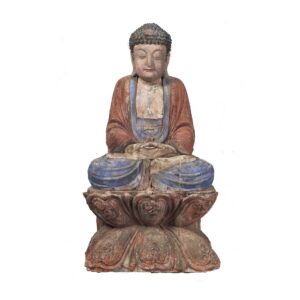
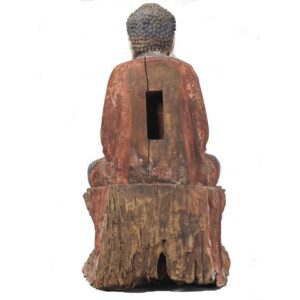
H: 40″ | W: 31.75″ | CALL 213-568-3030 OR EMAIL VANISHINGARTS213@GMAIL.COM FOR SHIPPING.
With a benevolent expression, this rare large Ming Buddha sits on lotus pedestal signifying his purity and enlightenment. Originally placed in a Mahayana Buddhism spiritual setting, this important and brilliantly carved image is calming, inspiring and imparts a feeling of serenity to his surroundings.
-
$525.00
H: 17” W: 5” D: 5” | For Shipping CONTACT call 213-568-3030 or email vanishingarts213@gmail.com
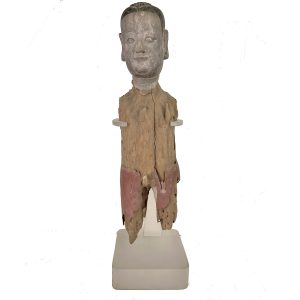
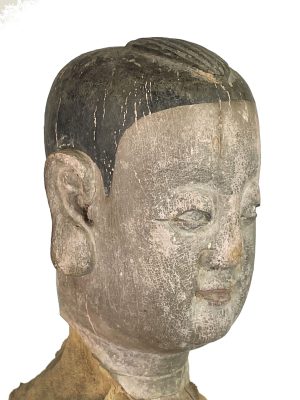
This rare Ming/Qing wood Buddha as an infant is probably more striking than the original piece. A piece for lovers of wood, its erosion shows the random miracle of chance. Highlighted on a frosted acrylic base.
-
$225.00
H: 7.5″ W: 5″ D: 3.75″ | Free SHIPPING WITHIN CONTINENTAL U.S.
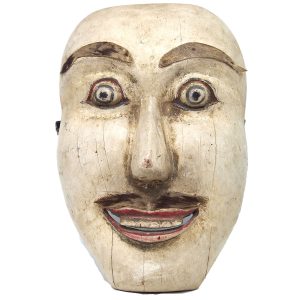
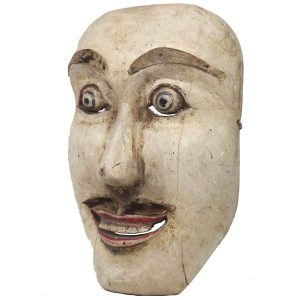
This very masterful and unusual Jauk mask carved by the Balinese community on Lombok has a sweet smile and moustache and eyebrows of animal hide and hair. The dancer wear gloves with very long fingernails moving his hands back and forth to generate anxiety in onlookers.
-
$895.00
H: 9.5” W: 2.25” D: 6.5” | FREE SHIPPING within Continental U.S.!
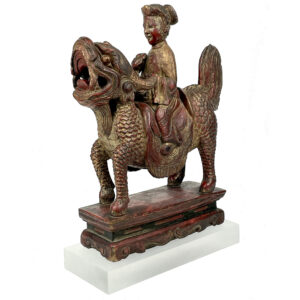
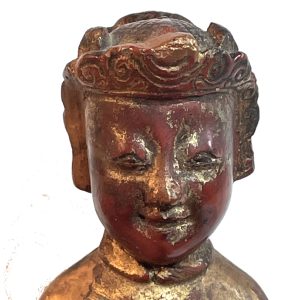
This remarkable figurine is Guanyin on her mythical mount, the Hǒu, guardian master of the universe and model for righteousness and morality who symbolizes bringing forth peace and prosperity.The round orb in its mouth representing a pearl can be rubbed for good luck. It is one of our most unique and favorite Buddhist statues, mounted on a frosted Acrylic stand.
-
$995.00
H: 11” W: 9.5” D: 1.65” | FREE SHIPPING
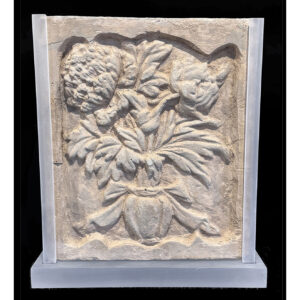
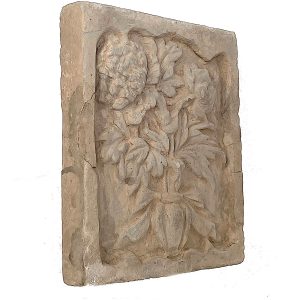
This earthenware brick tile bordered with a deep scalloped frame depicts a vase with a bouquet of propitious flowers: a chrysanthemum and a peony wrapped with an elegant ribbon. Tiles like this were made to decorate the large numbers of buildings created during the prosperous Song dynasty and to adorn tombs. This elegant brick is in good condition for its age with expected chips and cracks, some restoration of background and a re-glued frame break on each side. It has earth adherents from its burial in a tomb.
-
$620.00
This Nanhai Guanyin (Guanyin of the South Sea) sits in her cave on Putuo island in the South China Sea with most of her traditional features. She is portrayed as White Hooded or Clad Guanyin with her hair in a bun covered with a short hood seated in royal ease (lalitsana) with her right hand…
-
$155.00
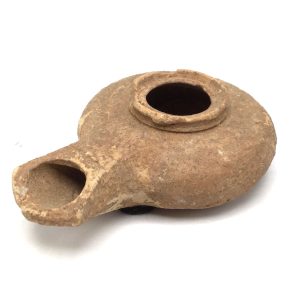
Early Christianity oil lamps were also seen as a symbol of light and a manifestations of the presence of the divine.
End of content
End of content